
Mobile Security
PDA Defense was built on a simple idea: assume the handheld will be lost, and make sure nobody else can read it. That idea matters more now than it did in 2001, because the phone that replaced the PDA holds money.
A modern smartphone carries a banking app, a payment wallet and, for a large and growing number of people, accounts at online casinos, poker rooms and sportsbooks, each with a balance, a saved card and a withdrawal method. Those accounts are targeted in all the ways a PDA was, through a lost or stolen device, plus several new ones: SIM swaps, phishing pages, fake Wi-Fi in hotels and resorts, and malicious apps that imitate the real thing.
These notes apply the PDA Defense playbook to today's phones. Lock the device and the apps on it. Use two-factor authentication on every account that holds money. Keep traffic off networks you do not control. Know how to wipe the phone before you need to.
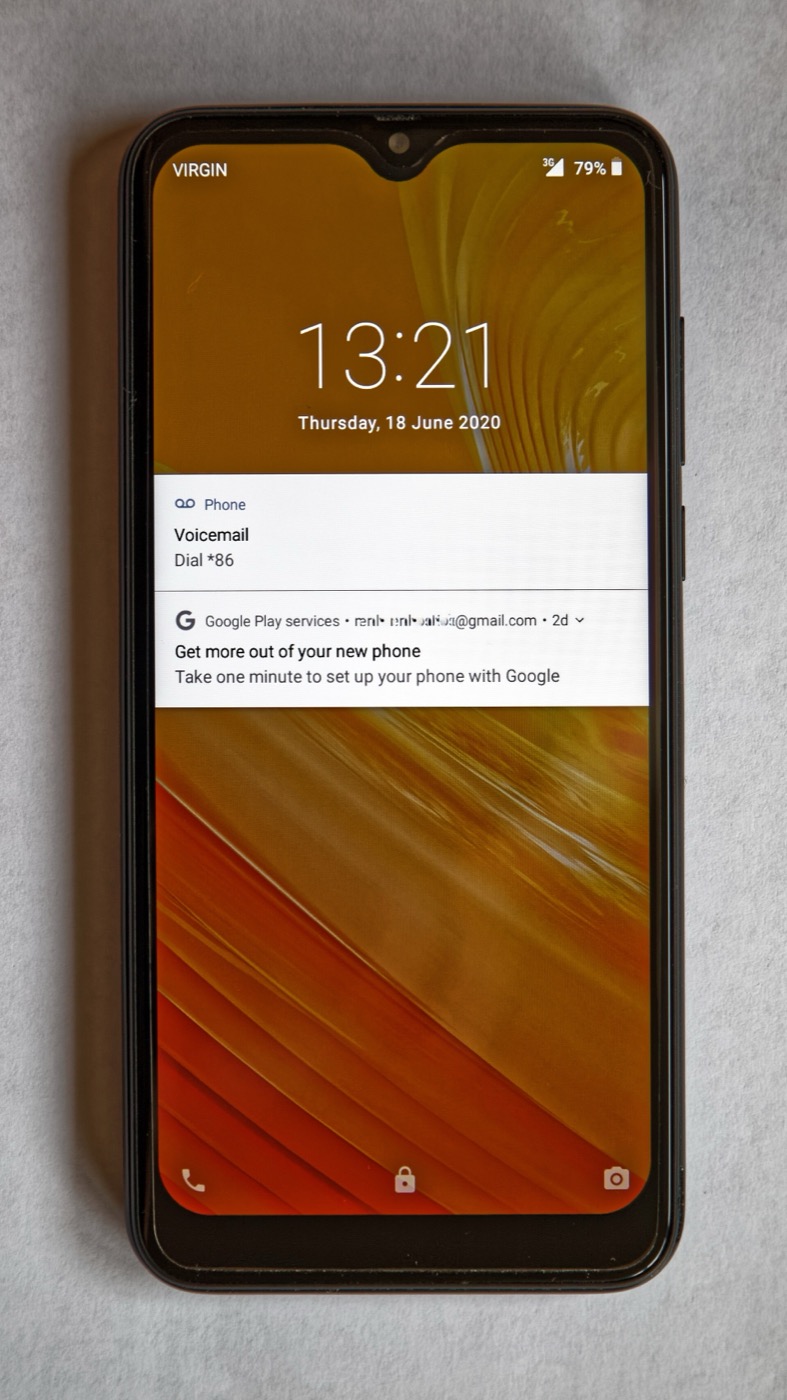
Securing Your Phone for Casino and Betting Apps
The handheld that once held a customer list now holds a casino wallet, a sportsbook account and a banking app. The PDA Defense checklist, rewritten fo…

Lost Your Phone With a Casino Account on It? A Recovery Checklist
A lost phone used to mean a lost address book. Now it can mean a logged-in casino wallet. Here is what to do in the first hour, in order, and how remo…

Public Wi-Fi in Casino Resorts and Hotels: What to Watch For
Casino resorts run some of the busiest guest networks in the world, and some of the most targeted. How to use resort Wi-Fi safely, and why cellular da…
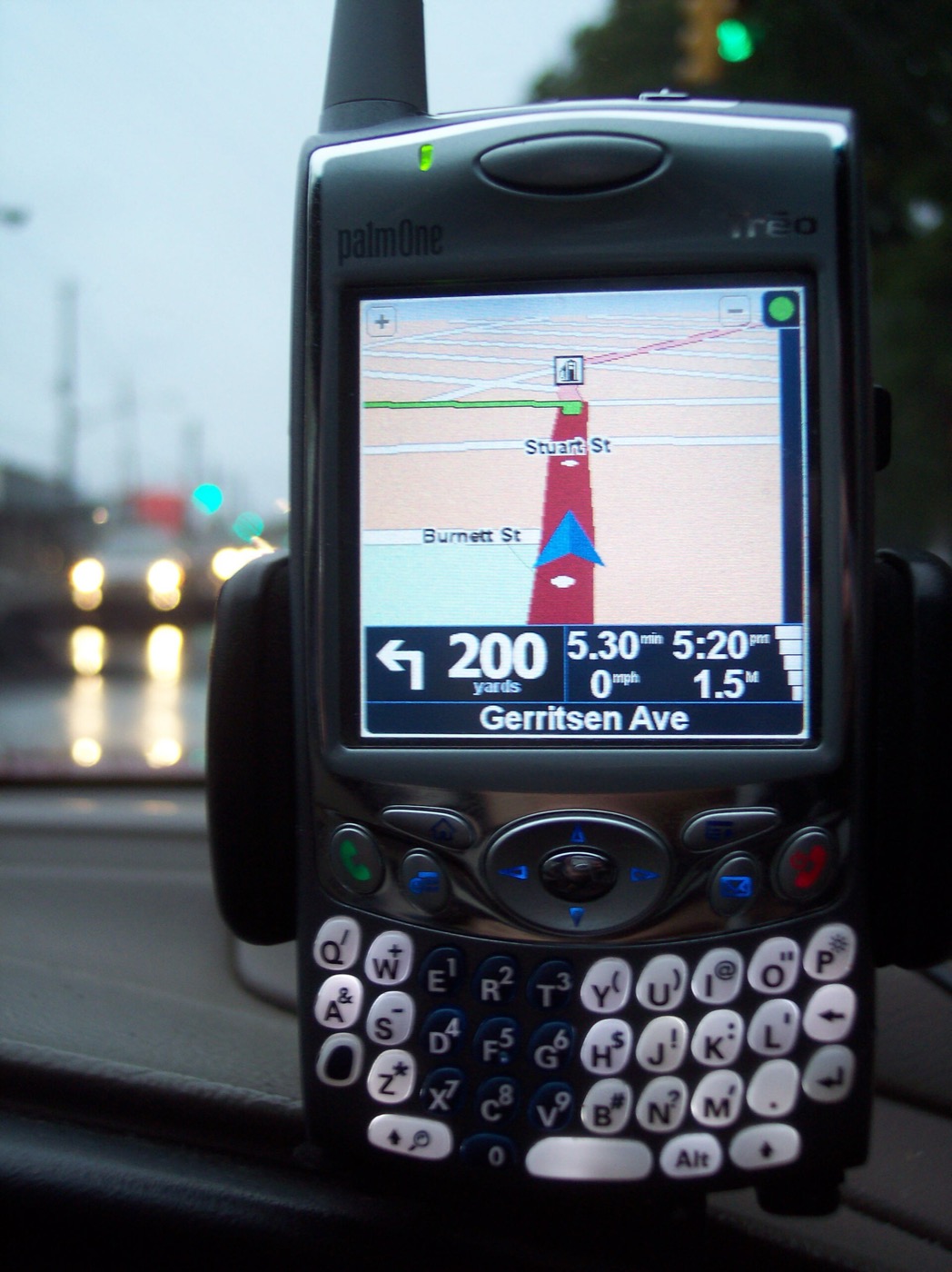
From PDA to Smartphone: Twenty Years of Mobile Security
PDA Defense shipped for the Palm OS in 2001. Almost every idea it introduced, from power-on passwords to remote wipe, is now built into the phone. A s…
The PDA Defense principles, then and now
| PDA Defense, 2003 | Smartphone equivalent |
|---|---|
| Power-on password, soft-reset activation | Device passcode with biometrics, short auto-lock |
| Application launch protection | App-level PIN or Face ID on casino, betting and banking apps |
| Blowfish / AES encryption of databases and cards | Built-in full-device encryption, active only with a passcode set |
| Data transfer disabling while locked | Hidden notification previews, restricted backups and clipboard sync |
| Bluetooth and Wi-Fi lockdown (Enterprise 3.1d) | Bluetooth off when unused, no auto-join for open networks |
| Bitwiping "bomb" and remote wipe policy file | Find My / Find My Device remote lock and erase |
| Temporary unlock password from the administrator | Account recovery through an authenticator app or verified email |